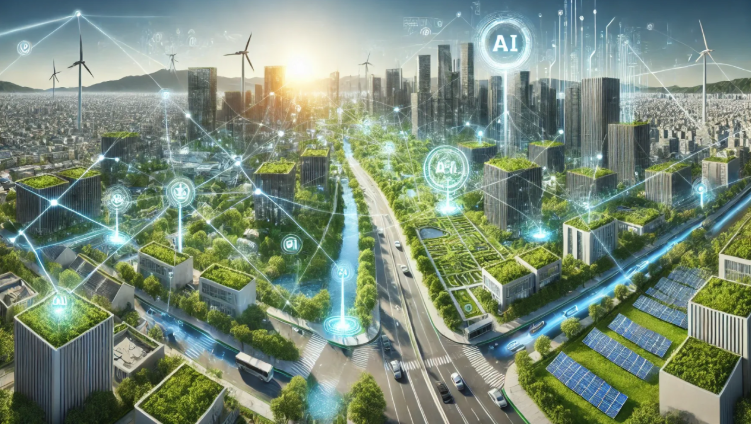
The integration of AI in smart city development presents significant opportunities for enhancing urban living. By utilizing real-time data analytics, AI can streamline traffic management, improve energy efficiency, and strengthen public safety measures. However, the path forward is complex, requiring careful consideration of ethical implications and community involvement. As cities evolve into interconnected ecosystems, the question arises: how will these advancements balance innovation with the rights of residents?
How AI Optimizes Urban Infrastructure and Services
AI transforms urban infrastructure and services by leveraging data analytics to enhance efficiency and responsiveness.
In traffic management, AI analyzes real-time data to optimize signal timings, reduce congestion, and improve overall flow. This data-driven approach not only enhances mobility but also promotes environmental sustainability by decreasing emissions.
Ultimately, such innovations empower citizens, allowing for a more liberated and interconnected urban experience.
Enhancing Public Safety and Emergency Response With AI
Modern cities increasingly rely on advanced technologies to bolster public safety and enhance emergency response systems.
AI surveillance systems provide real-time monitoring, enabling faster incident detection. Meanwhile, predictive analytics analyzes historical data to anticipate potential threats, optimizing resource allocation and response times.
These innovations empower urban environments, allowing them to respond swiftly to emergencies while maintaining citizens’ freedom and privacy.
See also: Dynamic Tech Hub 8777335189 Online Suite
The Role of AI in Sustainable Energy Management
Harnessing advanced technologies for sustainable energy management has become crucial in the quest for environmentally friendly urban development.
AI facilitates the integration of renewable energy sources through predictive analytics, optimizing energy distribution and consumption patterns.
Overcoming Challenges in AI Implementation for Smart Cities
The integration of AI into smart cities is not without its hurdles, particularly when it comes to implementation.
Key challenges include ensuring data privacy and navigating ethical considerations surrounding surveillance and algorithmic bias. Addressing these issues requires robust frameworks that prioritize citizen rights while fostering innovation.
Successful AI deployment hinges on transparency, public engagement, and adherence to ethical standards, ultimately shaping resilient urban environments.
Conclusion
As cities stand on the brink of an AI-driven transformation, the potential for unprecedented efficiency and sustainability looms large. Yet, lurking in the shadows are critical ethical dilemmas and public hesitance that could stymie this progress. The balance between innovation and the safeguarding of citizen rights remains fragile, and the path forward is fraught with complexities. The question remains: will urban leaders navigate these challenges successfully, or will the promise of smart cities fade into a cautionary tale?